The Hook: A Courtroom Over Orange Juice
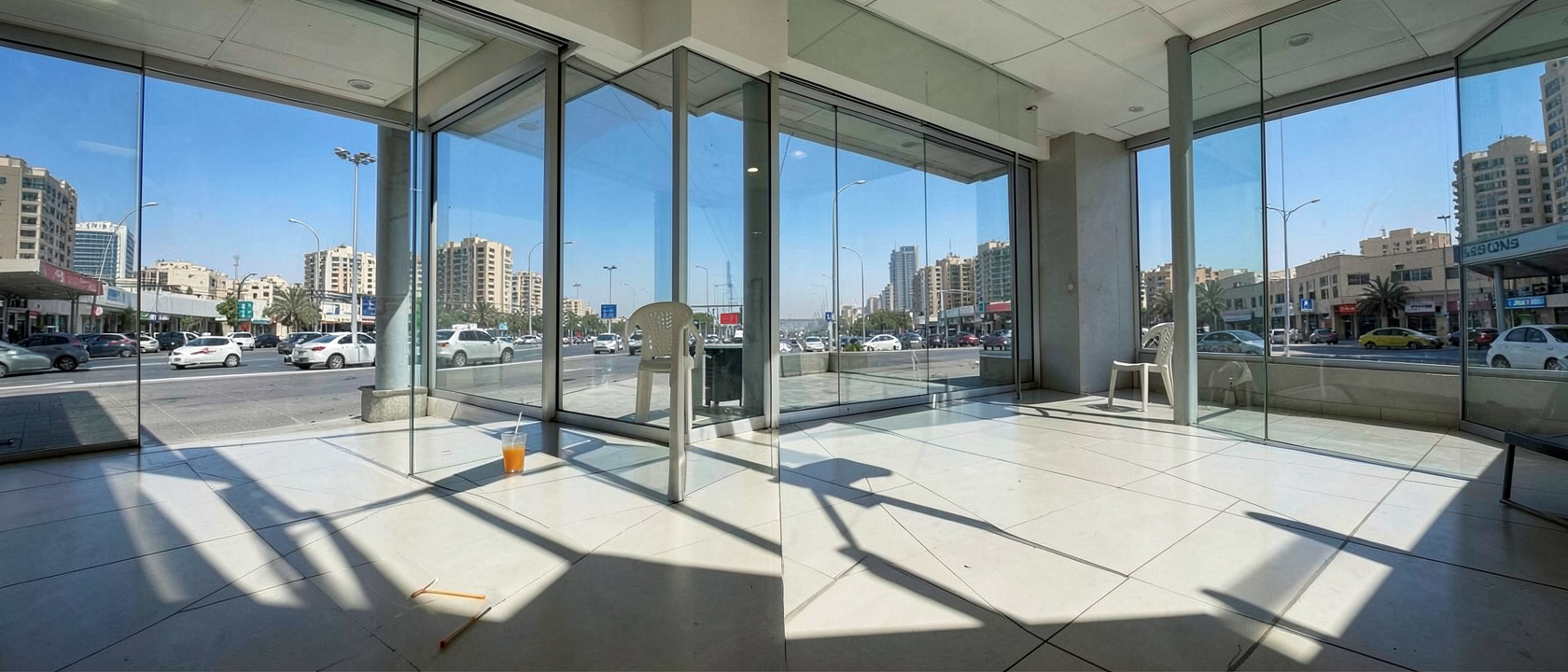
Picture a courtroom in Dubai, the kind of place where you’d expect to hear about theft or fraud. Instead, the case on the docket involved two people and a carton of orange juice. A 28-year-old Russian woman, identified as O.D. and a 30-year-old Lebanese salesman, identified as S.O. stood before the Dubai Court of Misdemeanours facing a criminal charge: drinking juice in the waiting room of an Eppco gas station before sunset, during the daylight hours of Ramadan.
They were simply thirsty, waiting around a gas station, and someone noticed.
The Mystery: Whose Rule Is It, Anyway?
Fasting during Ramadan, going without food or drink from dawn to sunset, is a religious obligation for Muslims, a personal act of faith. So why would it land two non-Muslims in front of a judge?
The natural assumption is that religious rules only bind those who follow that religion. If you’re not fasting for Ramadan, it shouldn’t matter what you eat or drink or when, or so the thinking goes. So what turned a sip of juice into something a court needed to rule on? Was this really about faith, or about something else entirely?
The Reveal: Article 313 of the Penal Code
The answer sits in the UAE’s Federal Penal Code. Article 313 makes it a criminal offense to eat or drink in public during Ramadan daylight hours, regardless of religion or nationality. It applies to everyone physically present in the country while the sun is up during that month, and the reasoning behind it is that the act is considered an offense against religious faith and ritual, not just an act of poor manners.
The penalties are real: a fine of up to 2,000 dirhams (about $555), or up to one month in prison, at a judge’s discretion.
What matters here isn’t belief, it’s visibility. Eating or drinking behind closed doors, in a private home, isn’t the issue. The law concerns public space during daylight hours, not what’s in anyone’s heart. Think of it as civil law built on top of a religious tradition, rather than religious law policing personal faith.
What Happened in Court
The pair had been spotted by a witness at the gas station, an Arab man identified only as T. who reported them to police. Both defendants pleaded not guilty and asked for leniency, arguing they weren’t Muslim and had no idea the act was against the law. The court took that argument seriously, but not as an escape hatch: ignorance of the law softened the outcome, but it didn’t erase the offense.
The judge convicted both, but instead of the maximum penalty, fined each 1,000 dirhams (about $278), exactly half the ceiling. It was described at the time as the first verdict of its kind since Ramadan had started on September 1, 2008, and the ruling remained open to appeal.
That middle-ground fine says a lot about how the law actually works. Circumstances can lighten a penalty. They don’t erase the offense itself. Not knowing a rule exists can lower the consequence, but it never makes you exempt from it.
The Takeaway: Law of the Land, Not Law of the Faith
Strip away the specifics and the principle is simple. In the UAE, Ramadan’s daylight restrictions on public eating and drinking are tied to time and place, not personal belief. Step into that jurisdiction during those hours, and the law applies to you the same way traffic or tax rules would, no matter what you practice on any other day of the year.
For anyone traveling, there’s a practical edge here: “I didn’t know” rarely holds up as a defense, and not knowing local customs can carry a real financial cost. A rule rooted in religious tradition can still be enforced as plain, secular law, applied evenly to a Russian tourist, a Lebanese salesman, or anyone else standing in a gas station waiting room with a carton of juice.