A Post That Was Barely a Post
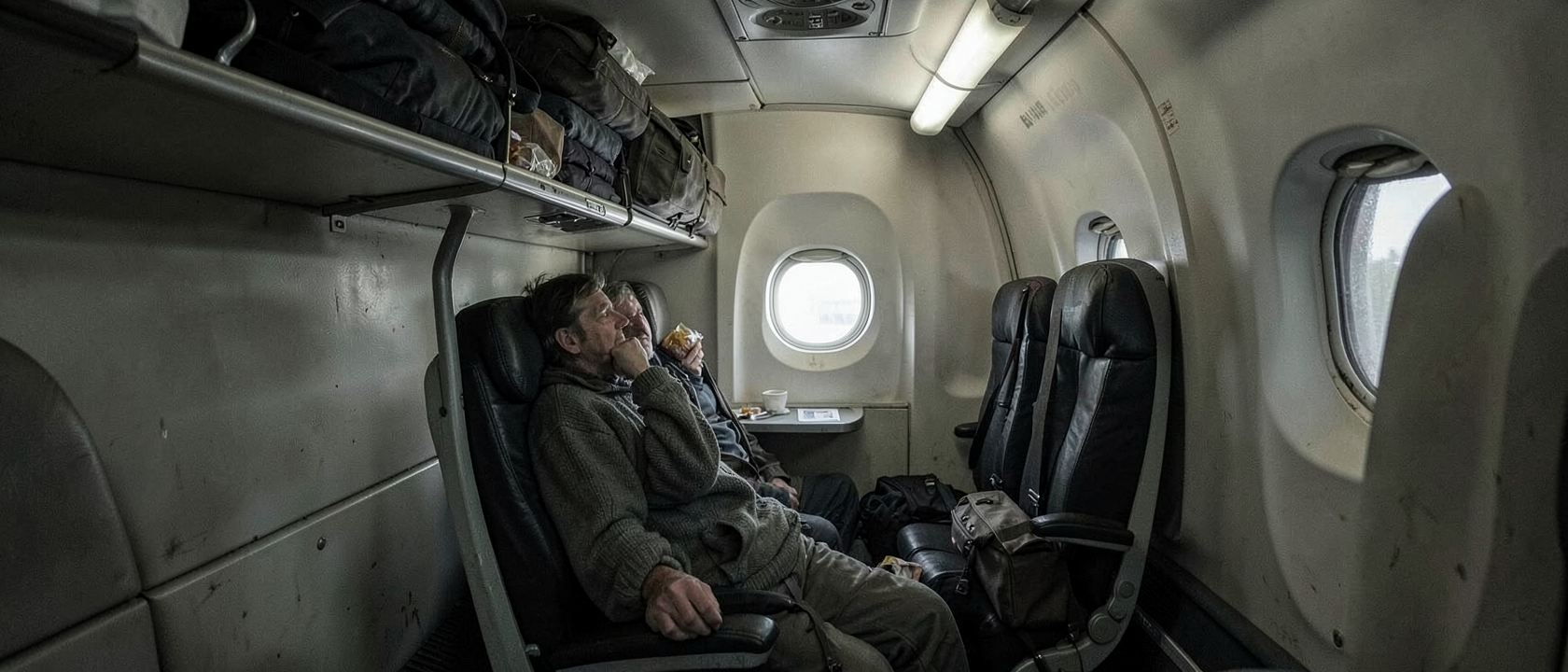
On November 25, 2009, at 10:16 in the morning, the blog Neatorama put up something that barely counts as an article: a photo credited to Flickr user Kossy@FINEDAYS, a line or two of setup, and one question for readers: “What’s the worst airline you’ve ever flown?” No ranking, no investigation, just that. Still, it’s worth a second look, because it’s close to a perfect specimen of a very specific internet habit.
Why Ask That Question on That Wednesday
The post went up on the Wednesday before Thanksgiving, long considered the busiest flying day of the year in the United States. That claim comes from tradition rather than any data in the post itself, but the timing logic holds: on that day, much of the country is stuck somewhere between home and an airport, missed connections, vanished bags, long gate waits. That’s exactly when a bad airline story sits right at the surface, ready to come out the moment someone asks for it.
The Dangled Secret
The author establishes credibility first: years of flying nearly every major domestic and international carrier. Then comes the hook, there’s one airline they’d never fly again, but they won’t say which. That, they write, is “another story.” You’re handed a reason to care, then the payoff is pulled back out of reach. It’s a small move, almost too small to notice, which is exactly why it works.
The Real Trick: Crowdsourcing, Not Journalism
The post was never built to deliver information, it was built to produce a comment section. The teased, unnamed horror story was never the content; it was bait. Ask a loaded question at the moment emotions run highest, dangle a personal stake without resolving it, then let strangers fill in the rest with their own stories. The post looks empty because the content was never meant to come from the author. It was always going to come from everyone else.
No Data, No Rankings, Just Vibes
Notice what’s missing: no definition of “worst”, delays, lost bags, rude staff, a ruined trip? No attempt to measure anything, because that was never the point.
Compare that to a real airline ranking. For their 2009 Airline Quality Rating study, researchers at Wichita State University and Purdue University tracked actual numbers: on-time performance, mishandled baggage, involuntary bumping, and complaints filed with the Department of Transportation. Comair finished last on time at 69 percent, with Atlantic Southeast at 71.2 percent. Atlantic Southeast also had the worst mishandled-bag rate, 7.87, against AirTran’s best-in-class 1.67. American Eagle bumped passengers involuntarily more than any other carrier, 3.76 per 100,000 travelers, while JetBlue’s rate was effectively zero. Southwest had the fewest complaints overall, 0.21 per 100,000 passengers. Dean Headley, the Wichita State professor who co-authored the study, noted every airline tracked had actually improved between 2008 and 2009. That’s what a real “worst airline” claim requires: defined categories, counted events, year-over-year comparison, none of which showed up in the Neatorama post, because it was never trying to be that kind of thing.
What a Tiny Post Reveals
Seen now, that post is a small time capsule of a moment in blogging when engagement mattered more than reporting. It didn’t need research, just the right day and a half-finished story. The people who notice the scaffolding instead of just reacting to the question are the ones actually paying attention to how the internet works on them.
So the next time you run into a post built around one withheld detail and a perfectly timed question, you’ll know what it’s really doing: turning the Wednesday before Thanksgiving’s gate delays and missing bags into content, one aggrieved commenter at a time.