Two Scenes, One Woman, Twenty-Six Years of Silence
In November 2000, partial human remains were found in a wooded area off Halsey-Manor Road near Manorville, New York. Investigators had biological material, an open case, and no name. The woman was catalogued as Jane Doe No. 6; the case went cold.
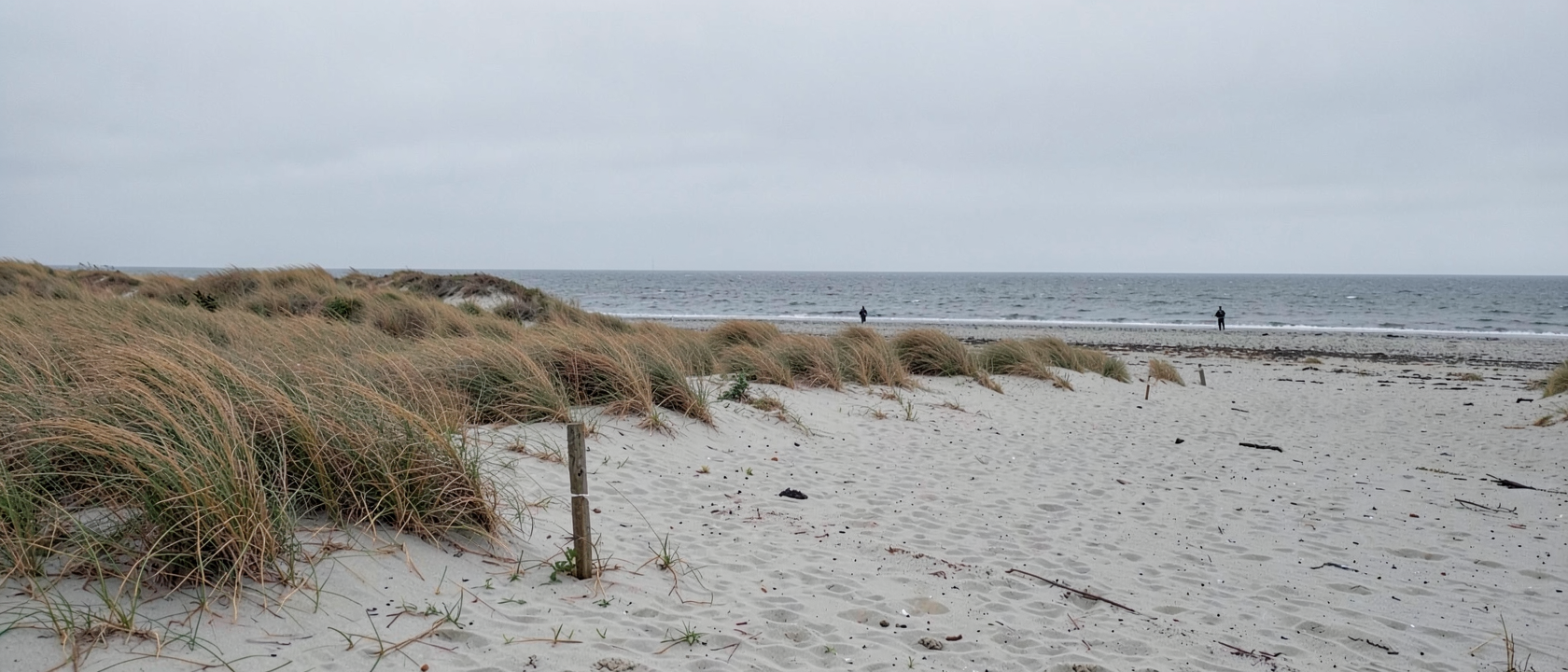
In April 2011, more remains turned up roughly 45 miles (72 km) away, along Ocean Parkway near Oak Beach on Long Island, an area already tied to multiple victims in what became known as the Long Island Serial Killer case. By September 2011, DNA confirmed both sets belonged to the same person. A name still did not come for another nine years.
She had been 24 years old when she vanished in 2000, born July 2, 1976, working as an escort in Philadelphia. It took until May 28, 2020 for investigators to announce her name: Valerie Lynn Mack.
Why Couldn’t Standard DNA Just Answer the Question?
The primary U.S. forensic DNA database, CODIS, holds profiles from convicted offenders, some arrestees, and formally collected samples. It does not contain a profile for every missing person. If someone disappeared without being formally reported missing, without a prior arrest, without any voluntary submission, they are simply absent from the system. DNA from a crime scene can confirm a match but cannot generate a name from nothing.
Valerie Mack had no profile in any searchable database. The biological evidence was real. It just had nowhere to land.
The Genealogy Trick: Finding Someone by Finding Their Family First
Genetic genealogy approaches the problem differently. Instead of asking “is this person in our database?”, it asks whether the DNA resembles anyone else’s enough to suggest a family connection.
Public genealogy databases, where people voluntarily upload DNA results to find relatives, hold millions of profiles submitted out of personal curiosity. A partial match between an unidentified person’s DNA and a distant cousin’s profile can be enough to start building a family tree until investigators narrow the field to relatives who might fit the circumstances of the missing person.
In Mack’s case, the Suffolk County Police Department worked with the FBI’s DNA Lab to build exactly that kind of genealogical profile. The leads pointed to New Jersey. Detectives contacted potential relatives there, who voluntarily provided DNA for comparison. The match was confirmed: Jane Doe No. 6 was Valerie Lynn Mack. This was reported as the first use of genetic genealogy to identify a homicide victim in a New York State police investigation.
Who Was Being Left Behind, and Why
The Long Island Serial Killer investigation centered on victims who were predominantly women working in the sex trade. Remains of at least ten people were found along Ocean Parkway during searches in 2010 and 2011 alone. People working in criminalized occupations are less likely to be formally reported missing, sometimes family contact was limited; sometimes those around them had reasons to avoid law enforcement. No missing persons report means no biological reference sample collected, and no entry in any searchable database. Standard forensic tools cannot find someone never entered into the system.
Genetic genealogy sidesteps that gap. It works outward from the DNA itself, through family relationships that exist regardless of what any official record contains.
What We Still Do Not Know
Identifying Valerie Mack answered one question while leaving others open. On April 8, 2026, Rex Heuermann, an architect from Massapequa Park, Long Island, pleaded guilty to her murder along with six others, and admitted to an eighth killing in court. He was sentenced to life in prison without parole on June 17, 2026.
What has never been publicly explained is how Mack’s remains came to be divided between two locations roughly 45 miles apart, discovered eleven years apart. Genetic genealogy gave her back her name after two decades. It cannot answer that question.