A Half-Life Movie Nobody Paid For
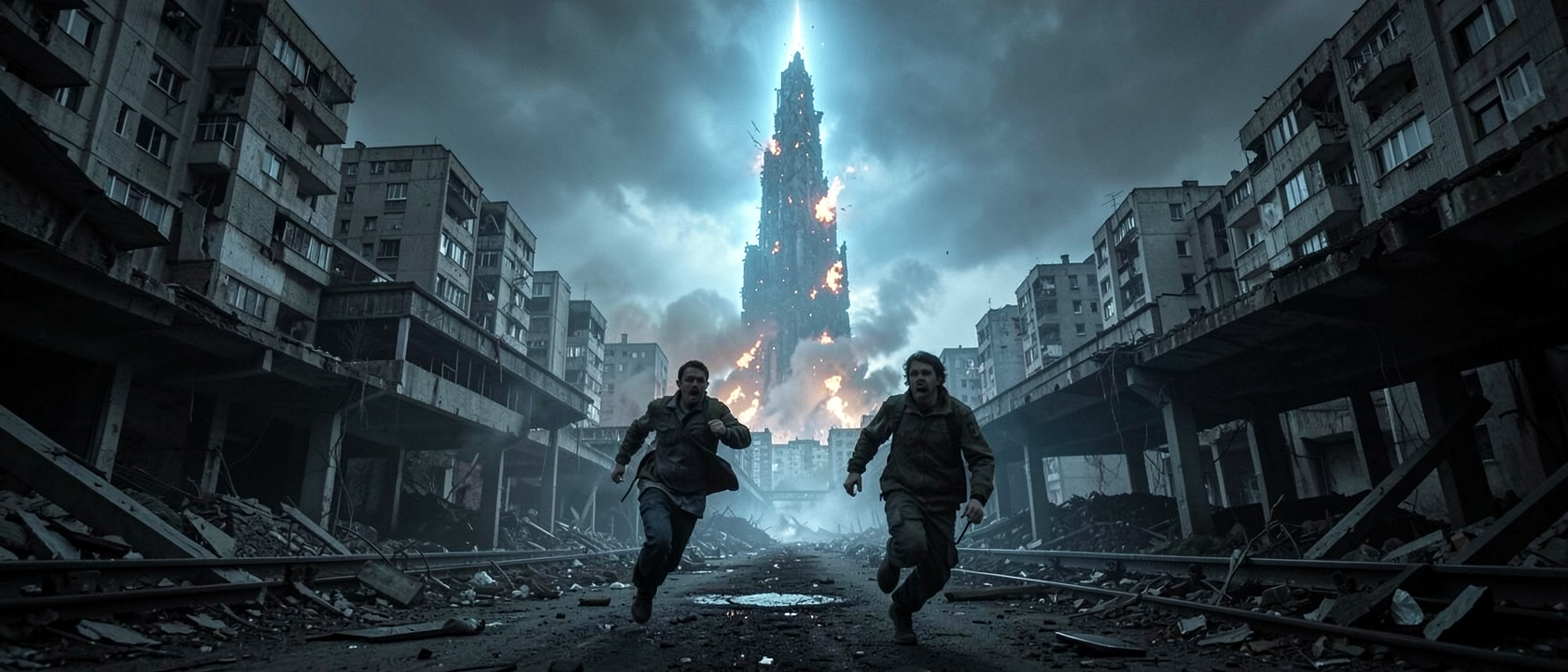
In February 2009, a short film called Half-Life: Escape from City 17, built around the story of Half-Life 2 and Half-Life 2: Episode One, spread well beyond gaming circles. It showed a city collapsing under a reactor meltdown and a desperate run through a trainyard, the kind of scene that usually needs a real production behind it. The surprise: the first two episodes together, by the filmmakers’ own account, cost about $500, less than plenty of people spend upgrading a phone. The first part passed 500,000 YouTube views within a day, and by February 15, 2009, when the blog Neatorama picked it up via the gaming site Blue’s News, that number had crossed a million.
What’s Missing Here?
There was no real budget beyond costumes and worn-out prop guns, no traditional crew, and no finished script before filming began. Yet the film, following two resistance fighters as a scientist’s warning crackles over a monitor while the city falls apart, looks like it belongs to a much bigger production. How does a project built on almost nothing end up making people wonder what a full studio budget could have added?
Two Directors, Not Two Hobbyists
The mystery clears up once you know who was behind the camera. David and Ian Purchase, working together as the Purchase Brothers, are commercial directors based in Toronto who had already directed several ads, including one for Coca-Cola. That job means already having the skills most low-budget filmmakers spend years building: framing a shot, pacing a scene, making a few seconds read as expensive. By David Purchase’s account, the brothers took on commercial work partly to fund independent projects like this one; as longtime Half-Life fans, they built Escape from City 17 to show off their skills and test new post-production techniques. The $500 figure only looks strange if you assume it had to buy expertise too, that part was already their day job.
Guerrilla-Style: Turning Limits Into Method
The brothers describe the shoot as guerrilla style: no money, no time, no crew, no script. It works more like a method than an obstacle, skipping formal planning and permits, then improvising with whatever is on hand: shooting fast, using locations without official permission, shaping the story as you go. It’s like cooking dinner from whatever’s in the fridge instead of a recipe: you improvise, and the result is sometimes better for it. For this shoot, that meant scenes built without a script, and between takes, the brothers hiding from security patrols at the locations they were using. The missing budget and crew weren’t obstacles they fought through, they were the conditions the whole project was built around.
What We Don’t Actually Know
The story’s origin is worth naming plainly: a short post on the aggregator site Neatorama, published February 15, 2009, crediting Blue’s News for surfacing the video. It runs a couple of paragraphs, links to YouTube, and moves on, without describing the plot in detail, the cast, the equipment, or the shoot length. It also says nothing about Valve, the studio that made Half-Life; other accounts say Valve later promoted the film through its own community channel and flew the Purchase Brothers to its headquarters, something the original post never mentions.
The $500 figure needs unpacking too. It’s usually quoted for “the first two episodes,” but the second wasn’t released until August 24, 2011, more than two years after that number started circulating, with its own separately reported budget of $250. Other records list $500 for the first part alone, which runs 3 minutes and 53 seconds (the second runs 14 minutes and 28 seconds). David Purchase later said the $500 was actually Canadian dollars, not American, excluding camera and editing software the brothers already owned, covering mostly costumes and worn-out prop guns. None of that makes the story false, it just makes the tidy “$500” figure an anecdote worth repeating, not an audited receipt.
Why the Gap Is the Whole Point
What actually spread Escape from City 17 probably had less to do with Half-Life than with the gap between what went in and what came out. Viewers weren’t just watching a fan film; they were doing the math on $500 and landing somewhere between impressed and skeptical, wondering what the same two directors could do with a real studio budget behind them. That open question, never answered, is part of why the film kept getting reposted. It’s also the real lesson: skill and improvisation can stand in for money, up to a point, and the exact place that stops working is what keeps people curious enough to keep asking.