The Guest List Changed. The Party Didn’t.
Somewhere in Atlanta, Carol and Willie Fowler were looking at a bill for a wedding that no longer existed. Their daughter, Tamara, had called off her engagement, leaving the couple holding a fully paid reservation with no ceremony to fill it.
Instead of arguing with a caterer over refunds, the Fowlers turned a private disappointment into one of the more unusual dinners Atlanta has seen, a decision that had less to do with the breakup than with what to do with a room, a menu, and a staff already paid for.
What Do You Do With 40 Days and Nowhere to Walk Down the Aisle?
The Fowlers had roughly 40 to six weeks’ notice between Tamara calling off the wedding and the date already circled on the calendar: September 15, 2013, at Villa Christina, an upscale Italian restaurant and event space in Atlanta. The reservation covered a non-refundable four-course dinner for 200 people.
Cancel and absorb the loss, or quietly unload the booking, those are usually the only options when a big event collapses this late. Neither sat right with the Fowlers, so they asked a different question: if 200 plates are going to happen regardless, who actually needs to be sitting at those tables?
They Called Hosea Feed the Hungry & Homeless Instead of the Caterer
Carol Fowler later said the idea came together after her husband prayed on it overnight. She was already on the phone canceling the venue when Willie suggested calling Hosea Feed the Hungry & Homeless, an Atlanta nonprofit their children had volunteered with in the past.
When the request reached the charity’s director, Elizabeth Omilami, she assumed someone was joking. “We thought it was a prank call,” she told the Atlanta Journal-Constitution. It wasn’t. The venue, menu and staff were already set, only the guest list changed. The wedding never happened. The dinner did.
A Four-Course Dinner, Live Entertainment, and 200 People Who Rarely Get Either
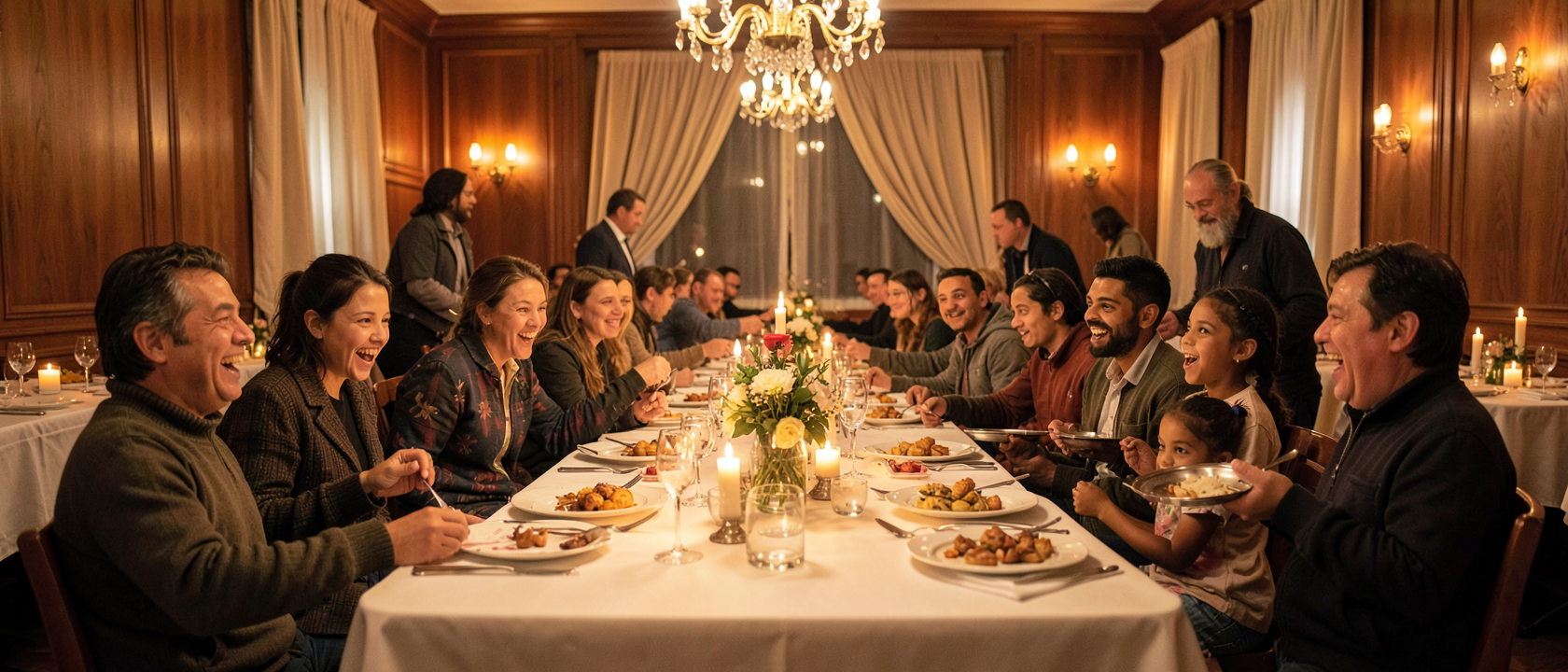
The night at Villa Christina didn’t look like a shelter meal. Guests were met with punch and lemonade, then moved through courses including coconut shrimp and beef tenderloin kabob, while children had chicken fingers, french fries, fruit, and mac and cheese.
Because children make up close to 70 percent of Atlanta’s homeless population, the Fowlers also hired a face painter, a juggler, and a clown. Buses arranged by the charity carried guests straight from area shelters to the restaurant.
For many of the roughly 200 guests, it wasn’t a familiar kind of evening. Omilami described children studying the passed appetizers, unsure if they could take a whole tray or just one piece. “So this was an educational opportunity as well,” she said, “because now they all know how to eat at a four-course meal and the etiquette involved in that.”
The Story Skips the Fine Print, On Purpose
No account explains why Tamara called off the wedding, and none mention what the original wedding or the improvised feast actually cost the family. Those aren’t gaps so much as a sign of what the story was really about.
What’s documented is the choice itself: a family with a paid-for room and a plan that no longer applied, pointing both at people who needed a seat more than any original guest would have. Tamara attended the dinner herself, and her mother said she was delighted to see the meal enjoyed rather than wasted.
Could This Happen Every Year?
Billed as the first annual Fowler Family Celebration of Love, the dinner left the Fowlers talking about doing it again, with plans to repeat it annually provided they could line up sponsors to cover the cost.
Whether a second or third dinner ever happened isn’t confirmed by available reporting, only the intention and the appetite behind it are on record. Perhaps the most human part of the story: the Fowlers never set out to build a tradition. They just refused to let 200 paid-for plates go to waste.